Essential Way Of Life Considerations Prior To Moving to Assisted Living
Business Name: BeeHive Homes of Portales
Address: 1420 S Main Ave, Portales, NM 88130
Phone: (505) 591-7025
BeeHive Homes of Portales
Beehive Homes of Portales assisted living is ideal for those who value their independence but require help with some of the activities of daily living. Residents enjoy 24-hour support, private bedrooms with baths, medication monitoring, home-cooked meals, housekeeping and laundry services, social activities and outings, and daily physical and mental exercise opportunities. Beehive Homes memory care services accommodates the growing number of seniors affected by memory loss and dementia. Beehive Homes offers respite (short-term) care for your loved one should the need arise. Whether help is needed after a surgery or illness, for vacation coverage, or just a break from the routine, respite care provides you peace of mind for any length of stay.
1420 S Main Ave, Portales, NM 88130
Business Hours
Moving to assisted living is seldom a choice made on impulse. It typically shows up after a series of smaller moments, a missed out on drug, an autumn, a range left on, a partner who is progressively worn down, or a grown-up child understanding that "just checking in" is no longer enough. By the time families start searching for assisted living near me or contrasting senior living areas, they are normally juggling more than logistics. They are managing sense of guilt, fear, finances, pain, and the very sensible concern of what daily life will really resemble when the step happens.
That is why the conversation ought to not start and finish with layout and monthly charges. Lifestyle considerations matter equally as long as care demands. A good assisted living neighborhood can offer safety, assistance, and social connection, but the shift still transforms practically every component of a person's regimen. Dishes, personal privacy, sleep, friendships, pastimes, transport, and even the sense of identity can shift quickly. The very best outcomes tend to occur when families believe beyond the care strategy and look truthfully at the lived experience of the move.
The psychological reality of leaving a long-time home
For many older grownups, the home they are leaving is greater than a building. It is a container for memory. It may hold the marks of a marriage, guides collected over years, the garden planted by hand, or the cooking area where family members holidays always appeared to start. Leaving it can feel much less like scaling down and even more like closing a phase that still has incomplete business.
That psychological weight is simple to undervalue. Family members in some cases focus on what will certainly be much easier after the step, like no more backyard work or say goodbye to staircases, while neglecting the pain that can feature shedding acquainted surroundings. I have actually seen homeowners that changed swiftly as soon as they felt secure and resolved, and I have also seen people who took months to completely unpack because they were grieving the idea of home as high as your home itself.
This is where pacing matters. Ideally, the action needs to be dealt with as a change, not a single event. Arranging possessions a little each time, checking out the community prior to move-in day, and bringing items of the old home into the new one can minimize the shock. A preferred chair, mounted pictures, a familiar lamp, or a well-used patchwork can do greater than enhance a room. They secure the brand-new space in memory and make it feel less temporary.
Daily regular adjustments greater than individuals expect
People often visualize assisted living as just "aid with a few points." That holds true, yet only component of the tale. The framework of the day adjustments in ways that can be either comforting or turbulent, relying on the person.
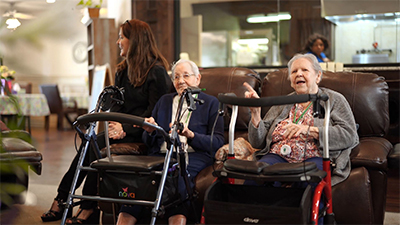
At home, somebody may have eaten breakfast at 10 a.m. For several years, rested after lunch, and enjoyed the night news in a particular chair. In assisted living, meals occur on a schedule, activities are supplied at established times, and team regimens shape the rhythm of the day. For some homeowners, that structure is a relief. They no more have to intend every meal or question when help is available. For others, it can feel restrictive at first.
The crucial inquiry is not whether framework exists, since it always does in some form. The genuine inquiry is whether the neighborhood's pace fits the individual's personality and practices. A really social resident may appreciate a schedule filled with activities and shared meals. Someone that has actually constantly favored silent early mornings and lengthy stretches of reading might need a neighborhood that values personal privacy and provides adaptable engagement.
A handy way to think about this is to distinguish between support and supervision. Good assisted living protects as much selection as feasible while still providing aid where it is required. If an area's routine appears too rigid, that is worth discovering early. Way of living fit tends to matter a lot more with time than a refined sales brochure or a perfectly staged apartment.
Social life can enhance, however only if the fit is right
One of the most significant advantages of assisted living is the chance to reconstruct social connection. Many older grownups live with a shrinking circle. Friends relocate away, driving comes to be harder, and social possibilities narrow. Isolation can slip in quietly and influence cravings, energy, sleep, and mood. A well-run senior living community can interrupt that isolation in a healthy and balanced way.
Still, socializing is manual. A person who has actually spent years in a peaceful household might not instantly end up being outgoing due to the fact that there is a bingo evening on the calendar. Some citizens prosper in team settings, while others prefer individually discussion or small, familiar gatherings. Areas vary commonly in culture. Some are dynamic and active. Others are calmer and extra residential in feel. That distinction matters.
Families taking a look at assisted living must focus on the tone of the usual spaces. Do homeowners seem involved or simply present? Are individuals talking with each various other, or sitting alone in silence? Are there different activities, or one sort of programs repeated weekly? A resident who suches as music, faith-based gatherings, or horticulture might prosper in an area that supplies those rate of interests. Somebody who likes present events, quiet analysis teams, or walking clubs may require a various environment.
Sometimes the initial social link is not with an organized activity at all. It is with the neighbor throughout the hall, the dining room server who bears in mind a preferred tea, or the resident that likewise matured in the very same town. Those small human minutes are commonly what make assisted living seem like home.
Meals are not a small detail
Food affects much more than nutrition. It forms routine, comfort, memory, and social communication. For a person transitioning from home to assisted living, the eating experience can either seem like a welcome relief or a consistent source of frustration.
Some people are pleased to let go of grocery shopping and food preparation. They appreciate having meals prepared, meals cleared, and options offered without initiative. Others are really attached to their own kitchen habits. They might miss out on cooking a basic breakfast, spices food to preference, or snacking on a favored schedule. If a resident has solid food choices, the eating program can turn into one of the most essential way of life factors in the whole move.
It is important to ask direct inquiries about adaptability. Can dishes accommodate nutritional constraints, allergies, or social preferences? How is texture-modified food managed? Are locals able to request replacements? What occurs if someone misses out on a meal because they go to a consultation? These details issue due to the fact that they impact dignity as much as convenience.
The dining room ambience matters also. A rushed, noisy area can discourage somebody from eating well. An enjoyable, unrushed meal with great lighting and alert solution can make the day feel anchored. For several older grownups, dishes become one of the primary social touchpoints in assisted living, which is why the eating culture is entitled to attention, not a fast glance.
Privacy, freedom, and the hard limit between aid and intrusion
One of one of the most delicate lifestyle adjustments in assisted living is finding out just how assistance will certainly work in an extra visible environment. At home, a person can shut the front door and relocate through the day with couple of interruptions. In assisted living, staff may enter for medicines, housekeeping, wellness checks, or individual care. That can feel encouraging, however it can also really feel invasive if the timing and communication are not taken care of well.
This is where independence ought to be defined meticulously. Freedom does not suggest doing whatever alone. It implies having enough control to make choices, keep privacy, and keep a feeling of agency. A resident may need assistance showering, dressing, or remembering medications, yet still wish to decide what time to get up, whether to go to an activity, or exactly how to organize the furniture in their apartment.
Families often take too lightly just how important small options come to be as soon as larger choices are limited. Being able to choose in between tea and coffee, keep the door a little open, or choose when to relax can preserve self-respect in ways that are very easy to miss from the outside.
Before moving, it assists to chat plainly about limits. What type of assistance are supplied on demand? How does the neighborhood deal with knock-and-enter methods? Are homeowners urged to take part in their very own care routines when feasible? Those discussions can stop misunderstandings later on, especially for individuals that have actually always valued self-direction.
The speed of the action itself can shape adjustment
A rushed action typically produces preventable tension. When the transition is compressed because of a hospitalization, a sudden decrease, or a caretaker emergency situation, older grownups may arrive in assisted living already disoriented and tired. Even a good area can feel overwhelming if the person has actually had no opportunity assisted living to refine the change.
When time permits, preparation needs to be useful and individual. A pre-move visit works, but so is taking notice of the much less noticeable parts of every day life. What is the illumination like in the apartment or condo in late mid-day? Can the resident reach the bathroom quickly in the evening? Exists area for a favored reclining chair, pedestrian, or hobby equipment? An individual that bakes might miss the ritual of measuring components, even if they no longer need a full cooking area. A former woodworker may desire area for devices or basic projects.
The step likewise impacts household regimens. Adult children commonly come to be the organizers, movers, and emotional shock absorbers. Their very own stress and anxiety can splash right into the process if everybody is attempting to take care of excessive at once. Sometimes, short-term respite care can develop breathing space. It gives families time to test a regular, collect possessions attentively, or take care of a post-hospital healing before devoting to a permanent move.
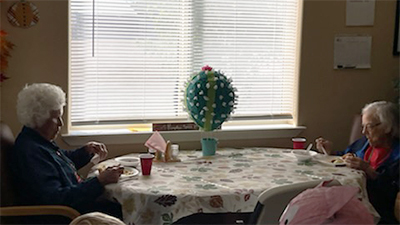
That trial duration can be very beneficial. It discloses whether the neighborhood's rhythm works in technique, not just theoretically. It additionally offers the older adult a possibility to test the social atmosphere, the eating, the care action, and the emotional fit prior to resolving in fully.
Health needs are just part of the equation
Assisted living is developed for individuals who require support with daily tasks, not extensive medical care. That distinction issues when families are comparing options. Some individuals relocate since they need aid with bathing, dressing, dishes, or medicine tips. Others arrive after a hospitalization and are still recuperating stamina and confidence. The level of assistance may transform with time, however the area still needs to match the resident's actual health and wellness profile.
This is where a mindful testimonial of care requirements ends up being necessary. If an individual has constant drops, considerable memory problems, oxygen demands, or intricate medical routines, the family members needs to ask whether assisted living is genuinely the best setup or whether a greater level of support is needed. Not every area can safely manage every situation.
It is additionally worth asking how the neighborhood reacts when a resident's requirements alter. Some individuals get in assisted living and gradually need more assistance. Others continue to be fairly stable for years. The very best planning accounts for both opportunities. Households must understand what reassessments appear like, exactly how quickly care plans can be updated, and when a transfer to one more level of care could become necessary.
Good senior care is not just about meeting today's demands. It has to do with preparing for tomorrow's likely modifications without making the resident seem like an instance data. That equilibrium takes judgment, and it is one reason a thoughtful in-person conversation matters greater than advertising and marketing language.
Before selecting an area, ask the concerns that impact day-to-day life
A polished tour can hide a lot. The entrance hall might be attractive, the dining room spotless, and the team welcoming. Those points issue, however they do not tell the entire story. Lifestyle fit shows up in regular moments, not simply in sales presentations.

When families are contrasting assisted living areas, it assists to concentrate on concerns that expose exactly how life truly works.
- What does a common day look like for residents that prefer a peaceful routine?
- How flexible are dishes, showering times, and activity participation?
- What supports are available for homeowners who are socially reserved or tough of hearing?
- How are family members visits dealt with, and exist places for private time together?
- How does the neighborhood assistance transitions from temporary rehabilitation, hospitalization, or respite care?
These concerns serve since they relocate the discussion far from abstract promises and towards lived experience. The responses usually disclose whether a neighborhood will certainly really feel respectful and livable over time.
Money alters the way of living conversation too
Finances are not a separate problem from way of living, they shape it. Assisted living has a regular monthly price that may consist of real estate, dishes, individual care, house cleaning, transportation, and activities. Yet not every neighborhood packages those services similarly. A family members that only compares the base price may be surprised later on by added charges for medicine monitoring, additional care hours, washing, or specialized support.
That is why it is necessary to look beyond the headline price. The best question is not just, "Can we manage this month?" It is, "What degree of solution is included, and what might the next 6 to twelve months call for?" A resident who requires more assistance in time might experience a purposeful rise in regular monthly cost.
Families typically start by looking for senior care near me and afterwards discover that the neighborhood market varies widely. Some areas appear cost effective in the beginning glance, however covert costs narrow the gap. Others appear a lot more costly yet include more assistance in the base rate. Budgeting with realistic assumptions, instead of best-case assumptions, can avoid uncomfortable surprises later.
It likewise helps to consider the price of stagnating. When a caretaker is wearing out, when home modifications end up being pricey, or when an autumn leads to repeated emergency situation visits, the financial photo can alter quickly. Assisted living is not constantly the most affordable choice, yet in the best situation, it can stabilize both care and family life.
The finest move is the one that preserves dignity
People often talk about assisted living as though it is only around safety. Safety matters, yet self-respect matters equally as much. A great change values the older grownup's preferences, behaviors, and history. It recognizes that a resident is not just somebody that needs aid, yet somebody who still has opinions, regimens, and a feeling of self.
That is why the little points are often the big things. The capability to hang acquainted art work. The chance to bring a precious covering. The choice to go to activities without being pressured into them. The liberty to have a silent mid-day when energy is low. These details do disappoint up in a medical chart, yet they shape whether a person seems like a resident or a guest.
Families that require time to analyze way of life issues generally make better decisions. They observe whether the area appreciates personal privacy, whether meals really feel inviting, whether the social environment matches the resident's temperament, and whether the care model can adjust with time. Those observations are extra reputable than any shiny brochure.
Assisted living can be a genuine enhancement in lifestyle when the step is handled with honesty and care. For several older adults, it brings relief, companionship, and a much safer everyday rhythm. For family members, it can replace continuous crisis administration with something steadier and a lot more sustainable. The change functions best when it is intended around the person's actual life, not simply the level useful they need.
BeeHive Homes of Portales provides assisted living care
BeeHive Homes of Portales provides memory care services
BeeHive Homes of Portales provides respite care services
BeeHive Homes of Portales supports assistance with bathing and grooming
BeeHive Homes of Portales offers private bedrooms with private bathrooms
BeeHive Homes of Portales provides medication monitoring and documentation
BeeHive Homes of Portales serves dietitian-approved meals
BeeHive Homes of Portales provides housekeeping services
BeeHive Homes of Portales provides laundry services
BeeHive Homes of Portales offers community dining and social engagement activities
BeeHive Homes of Portales features life enrichment activities
BeeHive Homes of Portales supports personal care assistance during meals and daily routines
BeeHive Homes of Portales promotes frequent physical and mental exercise opportunities
BeeHive Homes of Portales provides a home-like residential environment
BeeHive Homes of Portales creates customized care plans as residents’ needs change
BeeHive Homes of Portales assesses individual resident care needs
BeeHive Homes of Portales accepts private pay and long-term care insurance
BeeHive Homes of Portales assists qualified veterans with Aid and Attendance benefits
BeeHive Homes of Portales encourages meaningful resident-to-staff relationships
BeeHive Homes of Portales delivers compassionate, attentive senior care focused on dignity and comfort
BeeHive Homes of Portales has a phone number of (505) 591-7025
BeeHive Homes of Portales has an address of 1420 S Main Ave, Portales, NM 88130
BeeHive Homes of Portales has a website https://beehivehomes.com/locations/portales/
BeeHive Homes of Portales has Google Maps listing https://maps.app.goo.gl/1xZDfURp3wt4uv3T6
BeeHive Homes of Portales has TikTok page https://tiktok.com/@beehive.home.of.portales
BeeHive Homes of Portales has an YouTube page https://www.youtube.com/@WelcomeHomeBeeHiveHomes
BeeHive Homes of Portales has Facebook page https://www.facebook.com/BeeHiveHomesOfPortales
BeeHive Homes of Portales has Instagram page https://www.instagram.com/beehivehomesofportales/
BeeHive Homes of Portales won Top Assisted Living Homes 2025
BeeHive Homes of Portales earned Best Customer Service Award 2024
BeeHive Homes of Portales placed 1st for New Mexico Senior Living Communities 2025
People Also Ask about BeeHive Homes of Portales
What is BeeHive Homes of Portales Living monthly room rate?
The rate depends on the level of care that is needed. We do a pre-admission evaluation for each resident to determine the level of care needed. The monthly rate is based on this evaluation. There are no hidden costs or fees
Can residents stay in BeeHive Homes of Portales until the end of their life?
Usually yes. There are exceptions, such as when there are safety issues with the resident, or they need 24 hour skilled nursing services
Do we have a nurse on staff?
No, but each BeeHive Home has a consulting Nurse available 24 – 7. if nursing services are needed, a doctor can order home health to come into the home
What are BeeHive Homes of Portales's visiting hours?
Visiting hours are adjusted to accommodate the families and the resident’s needs… just not too early or too late
Do we have couple’s rooms available?
Yes, each home has rooms designed to accommodate couples. Please ask about the availability of these rooms
Where is BeeHive Homes of Portales located?
BeeHive Homes of Portales is conveniently located at 1420 S Main Ave, Portales, NM 88130. You can easily find directions on Google Maps or call at (505) 591-7025 Monday through Sunday 9:00am to 5:00pm
How can I contact BeeHive Homes of Portales?
You can contact BeeHive Homes of Portales by phone at: (505) 591-7025, visit their website at https://beehivehomes.com/locations/portales/ or connect on social media via TikTok Facebook or YouTube
You might take a short drive to the Blackwater Draw Museum. The Blackwater Draw Museum offers fascinating archaeological exhibits that create enriching outings for assisted living, memory care, senior care, elderly care, and respite care residents.